

After a difficult milestone, Andy’s team held a thoughtful retrospective that generated useful organizational learning. They identified real issues and agreed on what to do differently next time.
It worked—for a while. The next milestone went more smoothly, but the improvement stayed mostly within that team. Similar issues surfaced on other projects, and as team members moved on, what they had learned faded under the pressure of new urgencies. Before long, the same mistakes were being repeated.
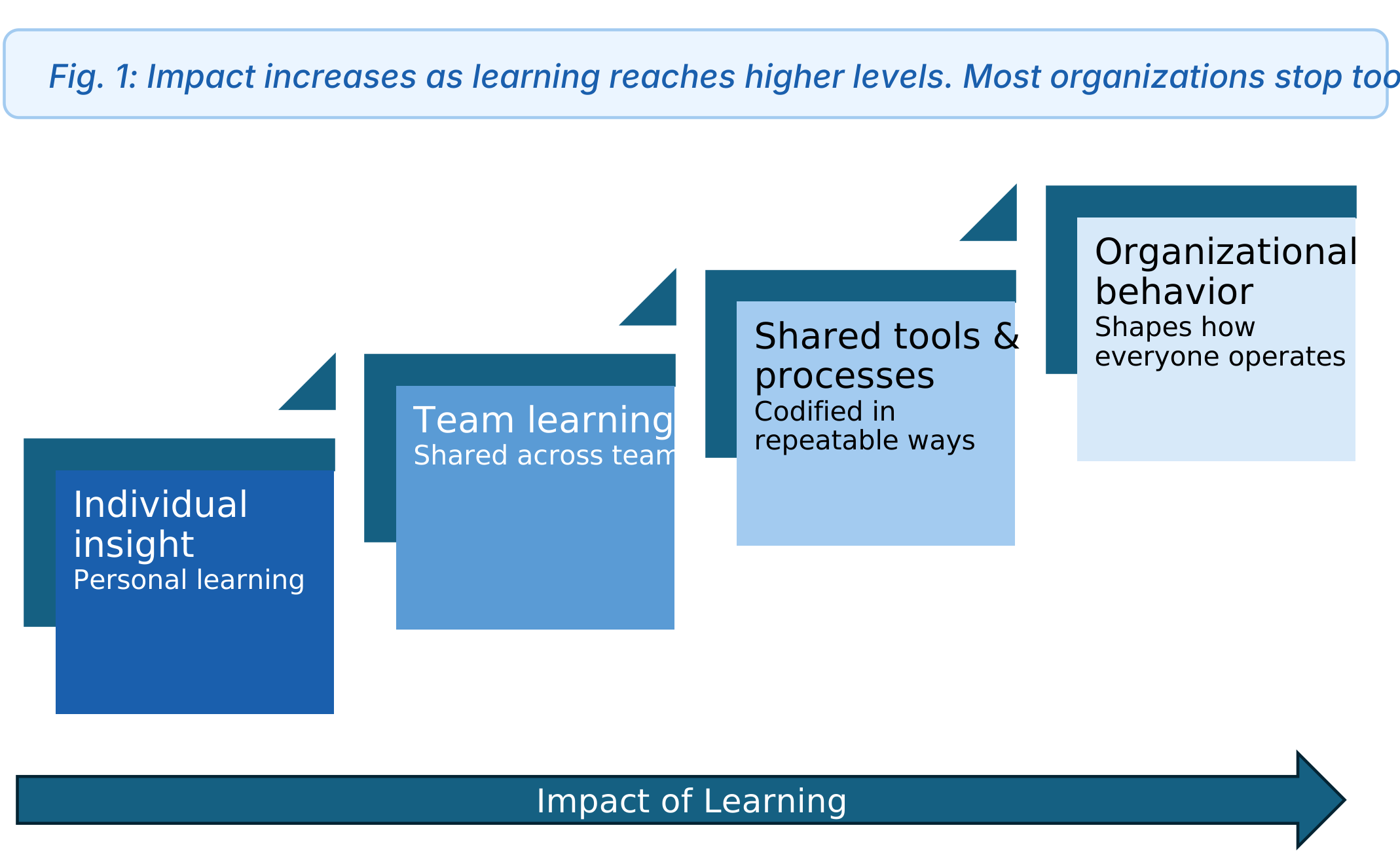
The retrospective had limited impact, even though the learning was real. It stayed concentrated in a few people on one team. When they dispersed, it faded because it never changed the organization’s long-term behavior. Its impact would have been broader and more durable if it had been embedded in shared tools, workflows, and processes. Capturing lessons learned matters, but applying them across projects is where the value shows up (PMI). The first figure shows this progression.
What It Takes for Learning to Last
Learning isn’t automatically embedded when a retrospective is completed successfully. Changing organizational systems and behavior takes ownership, intentional decisions and hard work. The problem was not Andy’s retrospective. It was what didn’t happen afterward. Figure 2 shows the steps that learning goes through as it spreads from individuals to an entire organization.
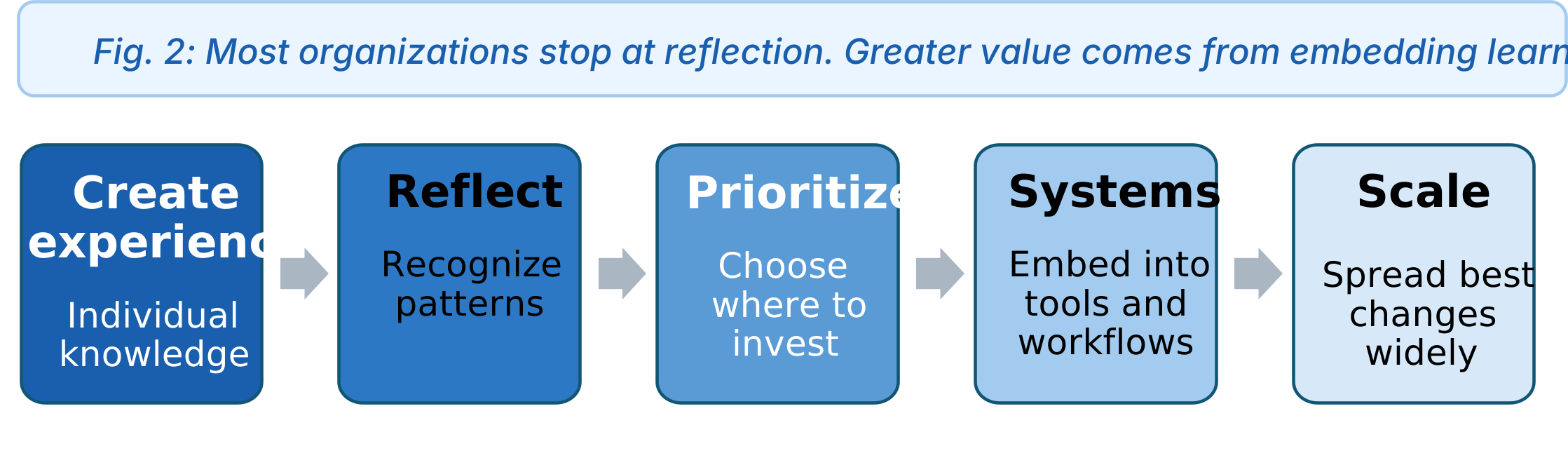
Changing organizational systems usually requires involvement from managers or team leaders. They have the authority to change processes, tools, and expectations. They must prioritize which lessons to act on, invest in making changes, assign owners, and follow through.
An Example from Engineering
I have seen this pattern in many engineering organizations. In one product design group, teams had to pass a design review before committing to an expensive prototype. Over time, reviewers began seeing the same problems recur from project to project. They updated the review checklist, which helped catch those issues more consistently before designs moved forward.
But the larger gains came when leaders reflected on those repeated findings and asked what they revealed about the design process itself. They prioritized the most important lessons, strengthened procedures, built missing skills, and made changes upstream so fewer problems reached review at all.
Some fixes were small, like adding a checklist item. Others required new tools, better methods, or stronger engineering judgment. In each case, the value came from building the learning into shared systems and work so it could scale beyond the original team or project and improve related work elsewhere in the organization.
That is how the gains accumulated. Each design and each review began from a stronger baseline, and fewer issues had to be rediscovered on later projects.
How to Evaluate the Reach of Learning
For leaders, the practical question is whether learning is reaching far enough to create broader organizational value. Figure 3 provides a way to assess that.
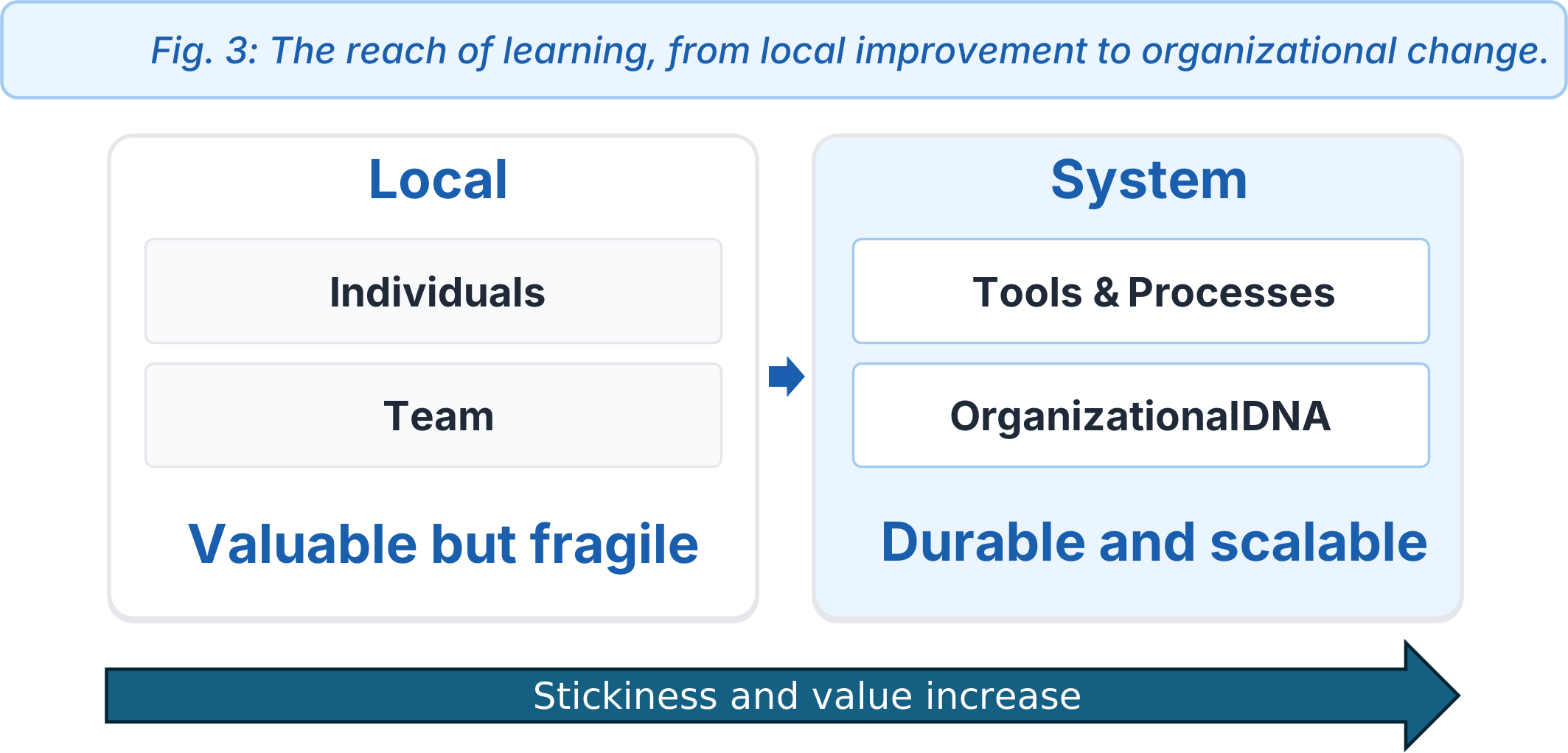
From left to right, the figure moves from learning that stays local to learning that lasts because it has been built into broader organizational systems.
- Individuals adjust how they work
- The team improves its coordination
- Shared tools or checklists are updated
- Standard processes are changed
- Expectations shift across the organization
Most organizations can achieve the first two types of improvement. That is valuable, but fragile, because the knowledge leaves when the people do. The greater advantage comes from the last three, where learning is built into systems and can scale, last, and accumulate.
Getting there takes intention and effort. But without it, your organization will keep relearning the same lessons the hard way.